Quick Facts
Summary
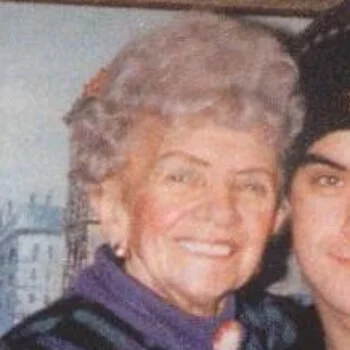
Betty Williams, born Bertha Talbot in 1912, was Robbie Williams’ maternal grandmother. A stabilising presence during his childhood, she provided warmth and emotional security and became one of the most important figures in his life. She is commemorated through tattoos, music and portrayals in Robbie’s later work.Biography
Early life and family
Bertha Williams-Talbot, known affectionately as Betty Williams, was born on 21 December 1912. She was the mother of Pete Conway and therefore the paternal grandmother of Robbie Williams. She lived in Stoke-on-Trent and remained closely connected to her family throughout her life.
Role in Robbie Williams’ childhood
Following the separation of Robbie’s parents in 1977, Betty became an important source of emotional stability. Robbie has repeatedly described her home as a place of safety, consistency and unconditional love during his childhood. Her influence was not defined by authority but by warmth, reassurance and presence.
Personality and values
Betty was known for her kindness, humility and inclusive nature. She preferred to be called “Betty” or simply “B”, avoiding formality. Robbie has often described her as emotionally generous and non judgemental, qualities that later shaped his own values around empathy and openness.
Connection to Take That years
During Robbie’s time in Take That, Betty became quietly well known among fans. She was known to welcome fans into her home for tea and conversation, treating them with warmth rather than suspicion. This behaviour stood in contrast to the pressures surrounding Robbie’s sudden fame and reinforced her reputation as grounded and generous.
Illness and death
Betty Williams died on 1 September 1998 at the age of 85. Her death occurred during a turbulent period in Robbie’s life, shortly after his departure from Take That and during struggles with addiction and identity. Robbie has described her loss as deeply destabilising.
Tributes in music and body art
Robbie honoured his grandmother with the tattooed letter “B” behind his left ear, a permanent tribute to her influence. His first self written song, Nan’s Song, was composed after her death and remains one of his most personal recordings. The lyrics express his belief that she continues to watch over him, reflecting both grief and comfort.
Ongoing emotional presence
Betty has continued to appear symbolically in Robbie’s public reflections. He has frequently cited her as a moral compass and emotional anchor, particularly when discussing kindness, humility and unconditional love. Her influence is often contrasted with the instability he experienced elsewhere.
Portrayal in Better Man
Betty Williams appears as a significant emotional figure in the biographical film Better Man, which explores Robbie Williams’ life and inner world. Her portrayal emphasises her role as a source of comfort and emotional grounding, particularly during Robbie’s formative years.
Songs Inspired by Betty Williams
Nan's Song
First Release: Escapology (2002)
Duration: 03:52