Quick Facts
Summary
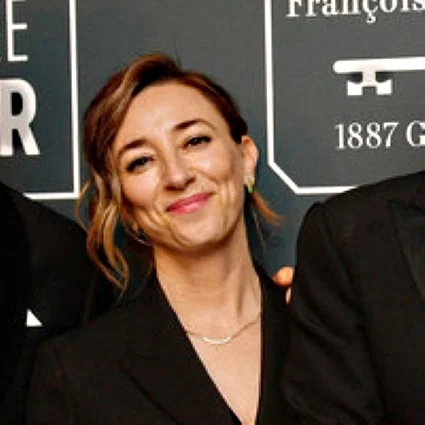
Josie Cliff served as Robbie Williams’ personal assistant and later manager, playing a vital role in his solo career during the 2000s. Known for her discretion and dedication, she managed both professional logistics and personal support. Her influence was felt behind the scenes, helping Robbie navigate fame with stability and care. She stopped working for Robbie Williams in 2014.Biography
Role and Position Within Robbie Williams’ Team
Josie Cliff is a long-standing member of Robbie Williams’ inner professional circle and was, for several years, one of the most visible and influential figures in his day-to-day working life. Best known as Williams’ personal assistant, her role extended well beyond administrative support, placing her at the centre of his touring, promotional and personal routines during a key period of his solo career.
Cliff worked closely with Williams throughout the late 2000s and early 2010s, a period that included major tours, media commitments and sustained international activity. Her position required constant coordination between management, production teams, security, promoters and Williams himself, often acting as the practical link between strategic decisions and their day-to-day execution.
Responsibilities Beyond a Traditional PA Role
While formally employed as a personal assistant, Cliff’s responsibilities went far beyond conventional expectations of the role. She was responsible for managing schedules, travel and logistics, but also handled domestic arrangements, touring routines and on-the-ground problem solving.
Those who observed her working style noted that she combined accessibility with authority. Cliff was frequently present at rehearsals and live shows and became a familiar figure to fans, sometimes seen at the side of the stage during performances. This visibility reflected the trust placed in her role rather than a public-facing function.
Her effectiveness lay not in overt control but in quiet organisation. Cliff ensured that Williams’ immediate environment was stable and predictable, allowing him to focus on performance and creative work. This included managing requests from friends, associates and industry figures, filtering access and maintaining boundaries around Williams’ time and energy.
People Management and Personal Trust
Williams himself has spoken openly about the dynamic between them, characterising Cliff as someone who gave consistently while he took freely. The remark was delivered humorously but pointed to a deeper truth about the imbalance often inherent in such roles. Cliff was expected to respond immediately to needs large and small, whether practical, logistical or emotional.
At the same time, those around Williams recognised that Cliff exercised considerable influence. Over time, she developed an acute understanding of how to manage not only Williams’ requirements but also the wider network of people seeking his attention. She was known for handling these pressures discreetly, maintaining order without confrontation and ensuring that decisions aligned with Williams’ best interests.
This form of people management required emotional intelligence as much as efficiency. Cliff balanced loyalty with judgement, operating as a stabilising presence in an environment that was often unpredictable.
Working During a Demanding Career Phase
Cliff’s tenure coincided with a period in which Williams was touring extensively and maintaining a high media profile. Such phases place particular strain on an artist’s inner team, as schedules shift rapidly and personal boundaries are tested.
Her role placed her in close proximity to Williams for extended periods, particularly while on tour. This proximity demanded discretion and resilience, qualities essential to sustaining long-term working relationships at the highest level of the entertainment industry.
Departure and Later Career Direction
Cliff stopped working for Williams in the early 2010s. Her departure coincided with broader changes in Williams’ personal life and professional structure, including shifts in management and priorities. By the time Williams married Ayda Field in 2010, Cliff’s role had already begun to evolve, and she ultimately moved on shortly thereafter.
Since leaving Williams’ team, Cliff has pursued other professional interests away from the public spotlight. Unlike many figures associated with high-profile artists, she has remained largely private, rarely giving interviews or public commentary about her time working with Williams.
Assessment and Legacy
Josie Cliff’s contribution to Robbie Williams’ career is best understood not through public credit but through operational impact. Her work exemplified the often invisible labour that underpins successful touring and sustained performance at the highest level.
In an industry where personal assistants are frequently underestimated, Cliff represented a model of the role as strategic, emotionally intelligent and quietly authoritative. Her effectiveness lay in ensuring that complexity remained unseen, allowing the artist she supported to function at his best.
Though rarely acknowledged publicly, her influence during a demanding chapter of Williams’ career remains a significant part of the machinery that kept his professional world turning.